The questions we get asked most on St. Augustine estimates.
Do I need to replace my pavers or can they be restored?
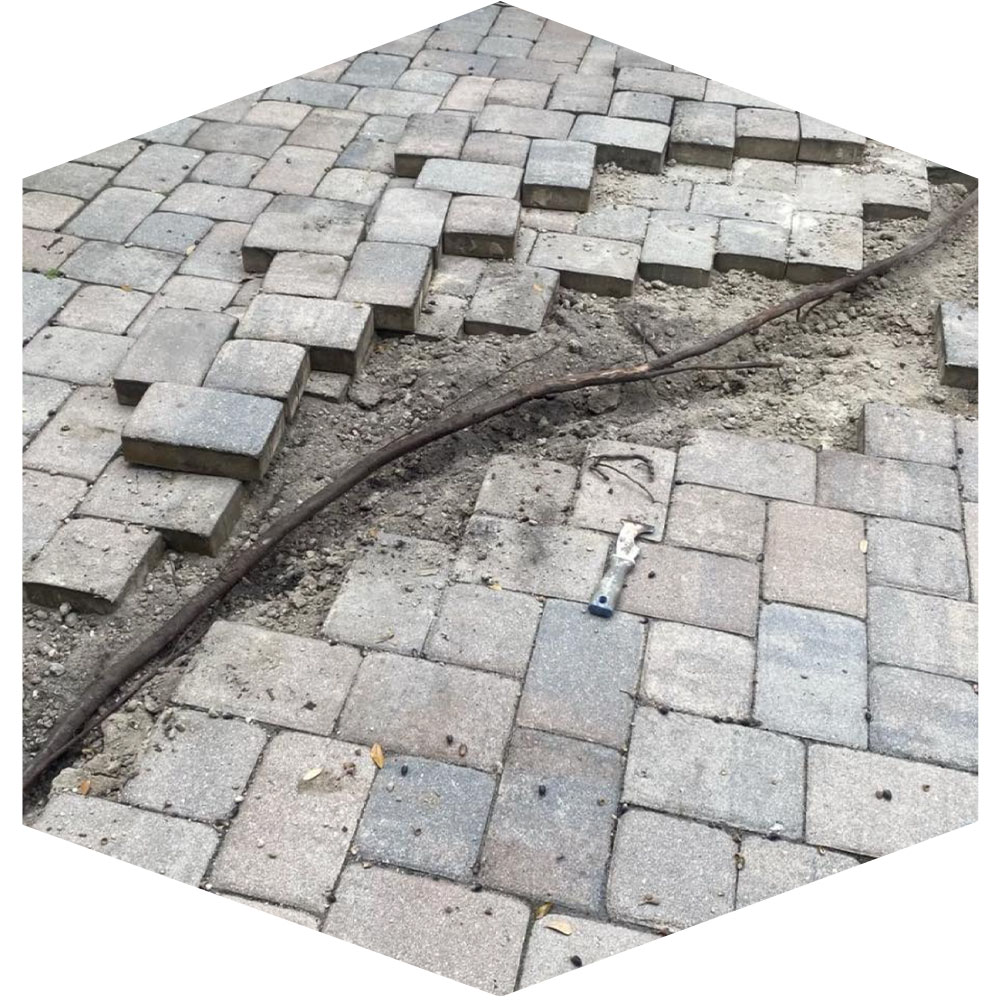
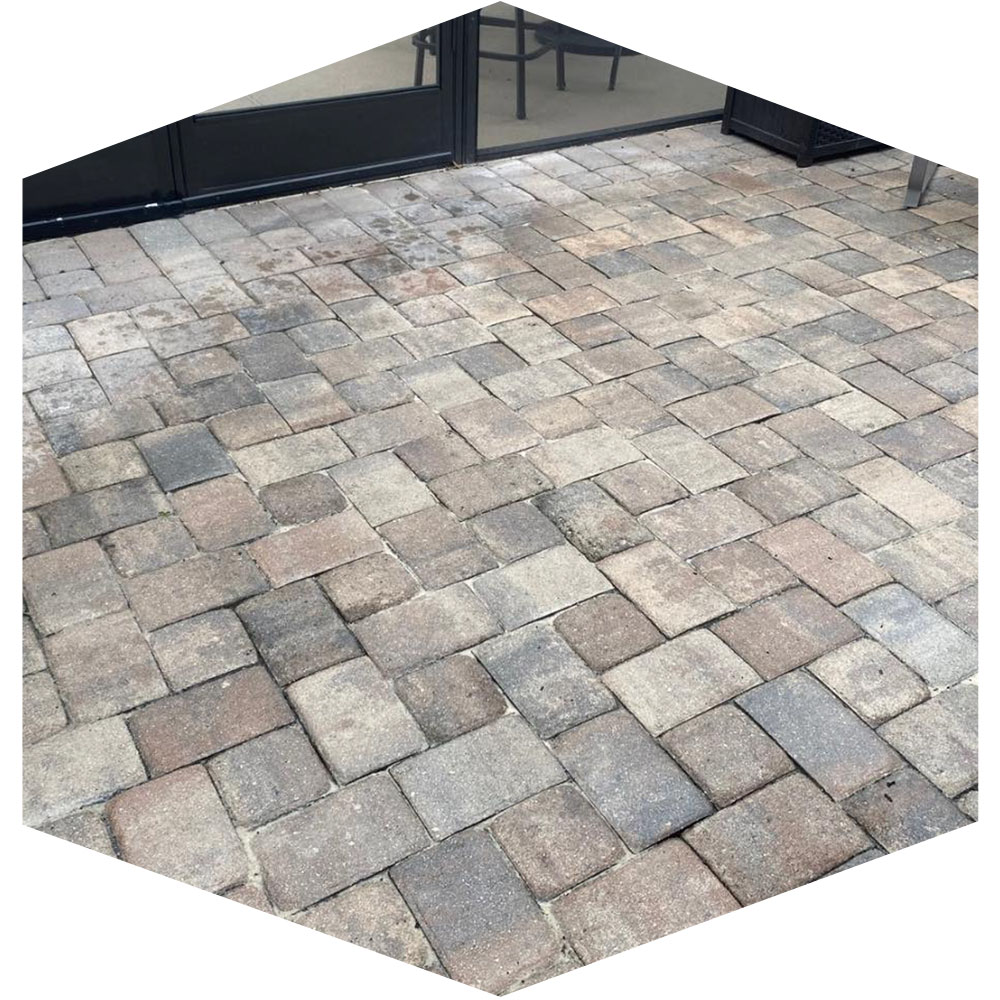
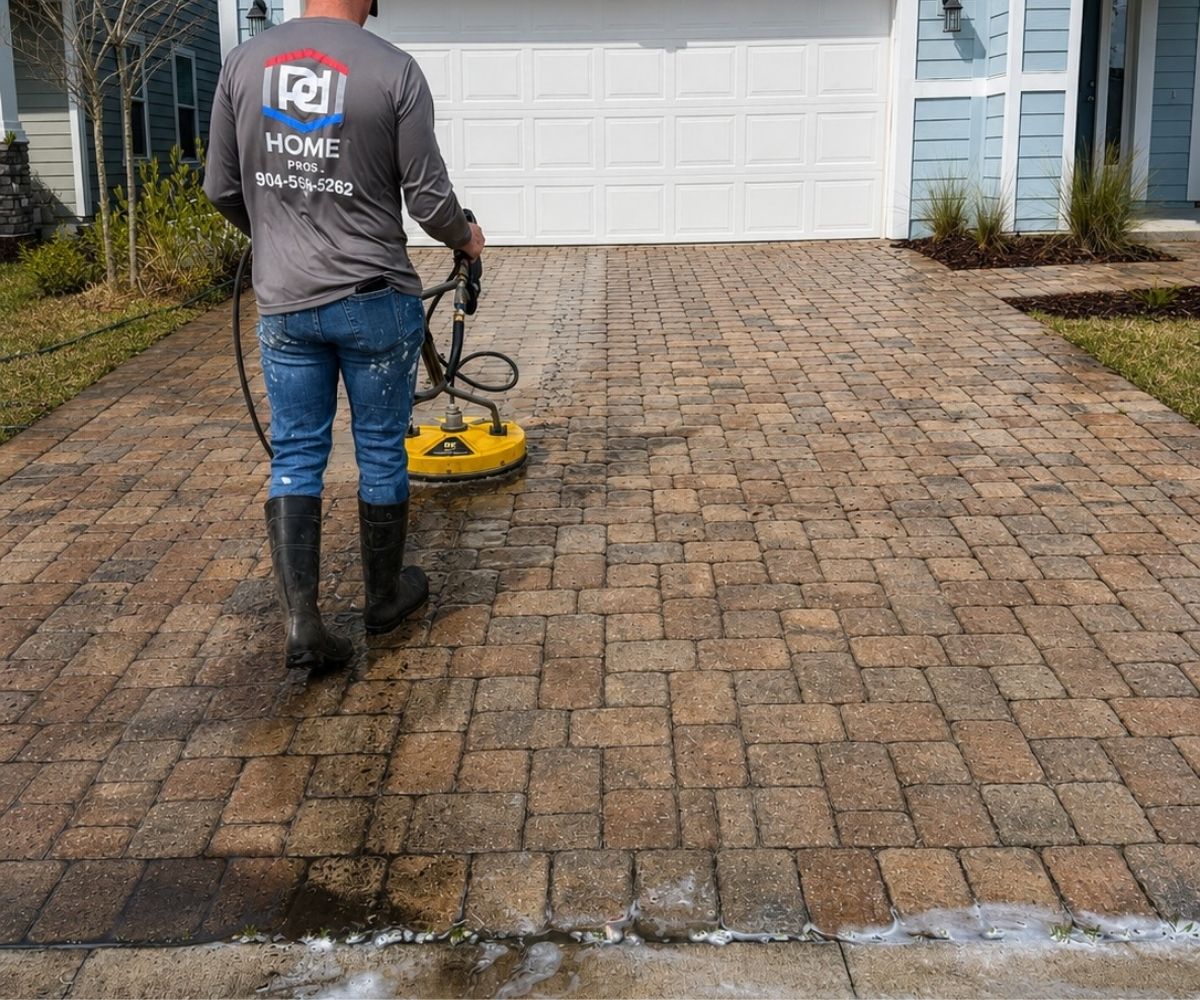
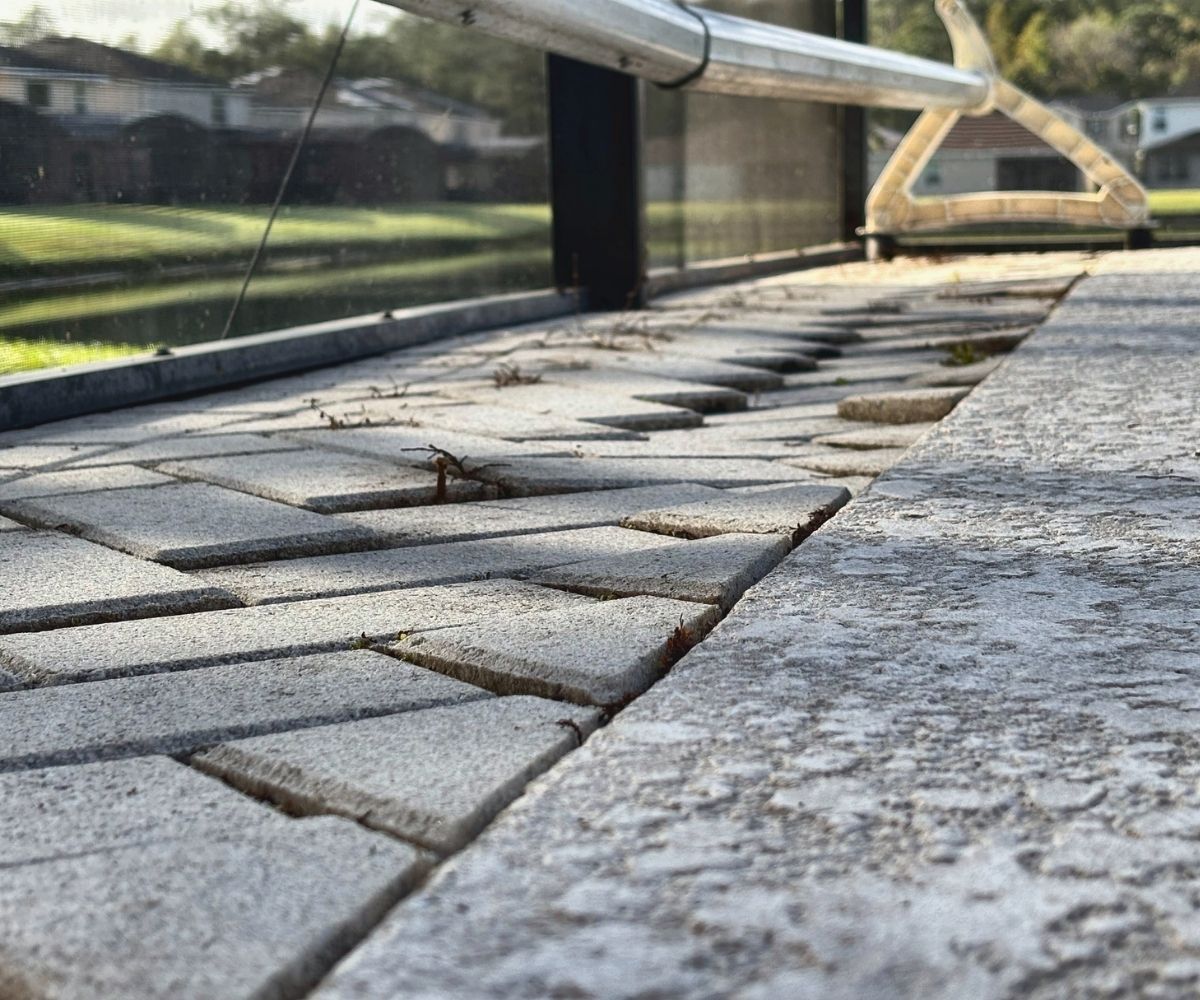
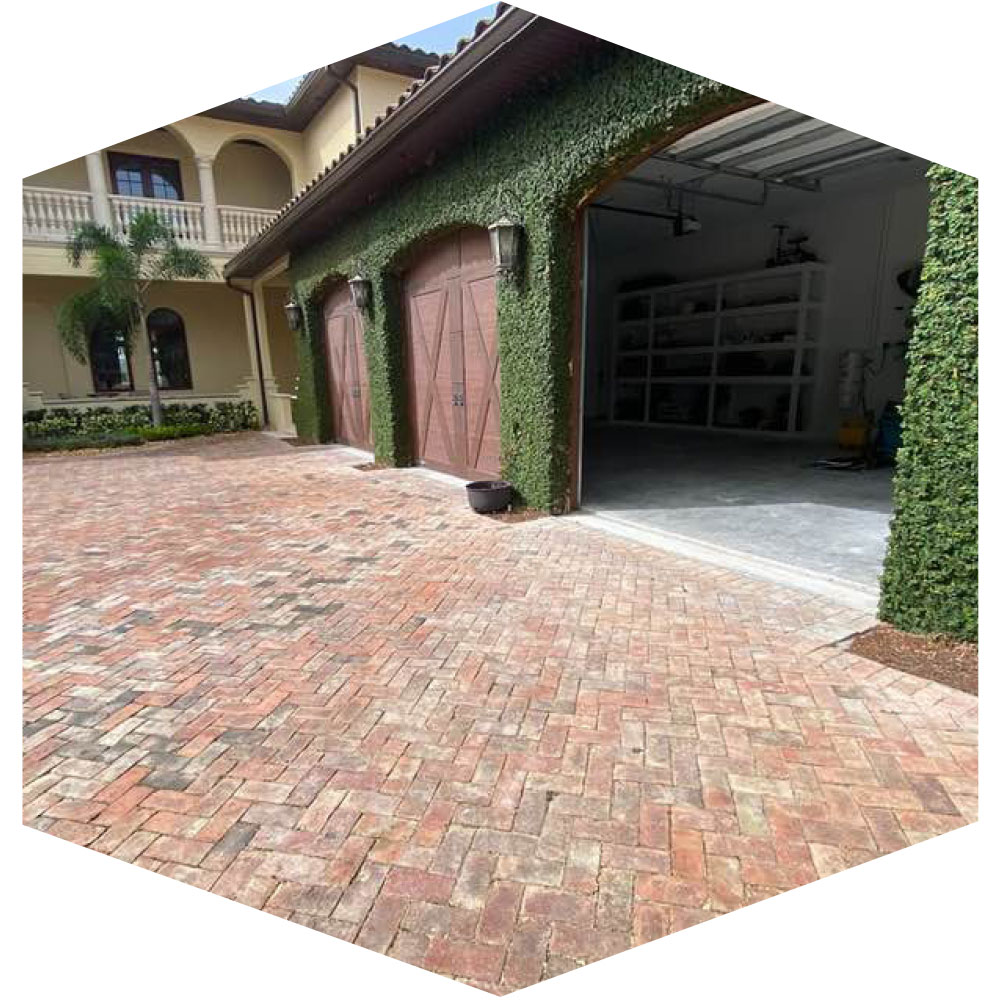
In most cases the pavers themselves are fine. Concrete and clay pavers are extremely durable — what fails is the joint sand, the base underneath, and the surface color. Cleaning, re-basing sunken sections, re-sanding and sealing solves the large majority of jobs we see in St. Augustine. We only recommend replacement when pavers are cracked through or spalling badly.
How much does paver restoration cost in St. Augustine?
Pricing is by the square foot and depends on which stages your surface needs, how much repair work is involved, and which sealer you choose. We measure on site and hand you a written price before any work starts. The estimate is free and there is no obligation to book.
How long does a paver restoration take?
Many residential pool decks and driveways are completed in a single visit. Larger areas, or jobs with significant re-leveling, can run into a second day. Cure times depend on the sealer used, the temperature and the humidity — we give you exact walk-on and drive-on times for your job before we start.
How often should pavers be sealed in Florida?
Most Florida installations need resealing every two to three years. Our sun, humidity and heavy summer rain break sealer down faster than in northern climates, and pool decks with constant water exposure are on the shorter end of that range.
Will sealing make my pool deck slippery?
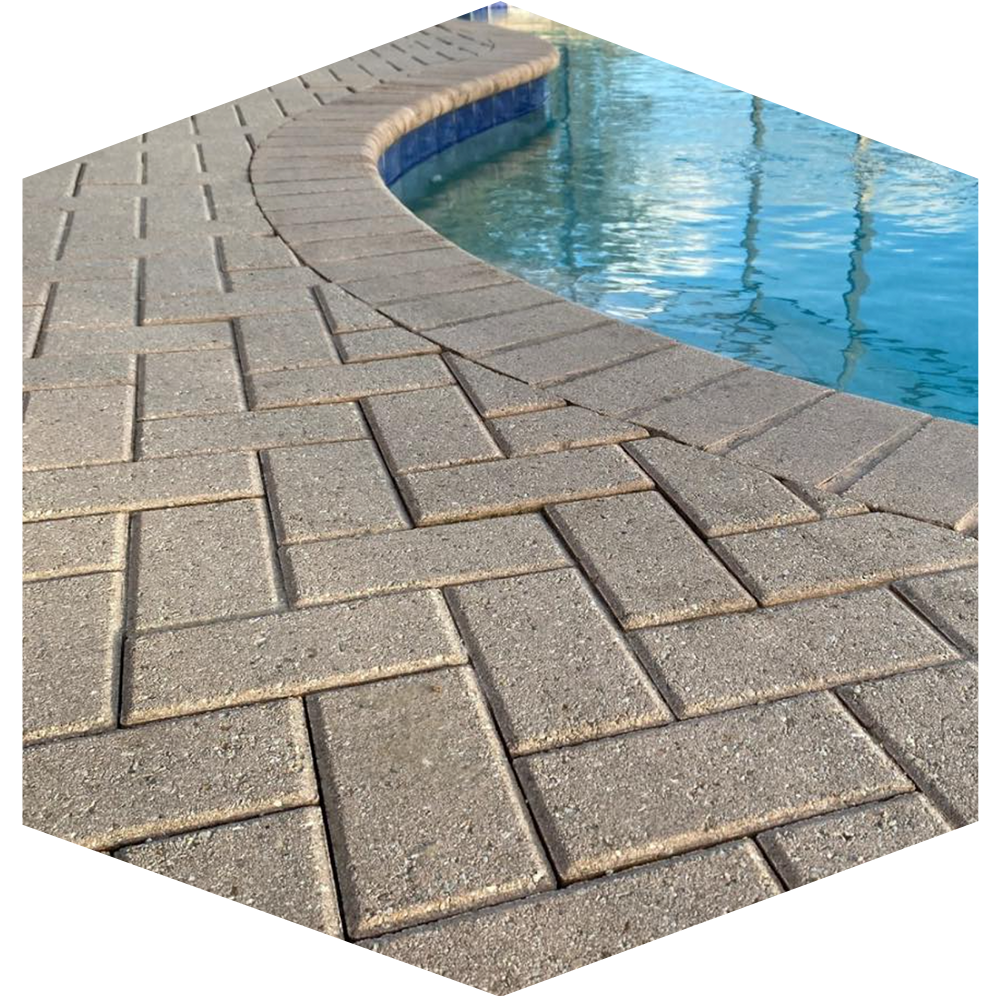
Not if the right product is used. We add a slip-resistant additive to sealer on any pool deck or wet area as standard. If you prefer maximum traction, a natural matte penetrating sealer changes the surface texture very little while still protecting the pavers.
What is the difference between wet look and matte sealer?
Wet look is a film-forming sealer that deepens and saturates the paver color, similar to how they look in the rain, with a visible sheen. Matte is a penetrating sealer that protects from within and leaves the natural finish almost unchanged. Wet look shows the most dramatic transformation; matte is the more subtle, traditional choice.
Will re-sanding stop weeds and ants coming through the joints?
It reduces both substantially in most cases. Polymeric sand sets firm once activated with water, closing the joint against the washout, weed growth and ant tunneling that loose sand allows. Sealing adds a further barrier. No treatment eliminates weeds permanently — wind-blown seed can still germinate in surface debris, so occasional spot treatment is normal.
Which areas around St. Augustine do you serve?
We are based in Saint Augustine and work throughout St. Johns County, including St. Augustine Beach, Ponte Vedra, Ponte Vedra Beach, Nocatee, World Golf Village and Fruit Cove, as well as Jacksonville and Palm Coast.