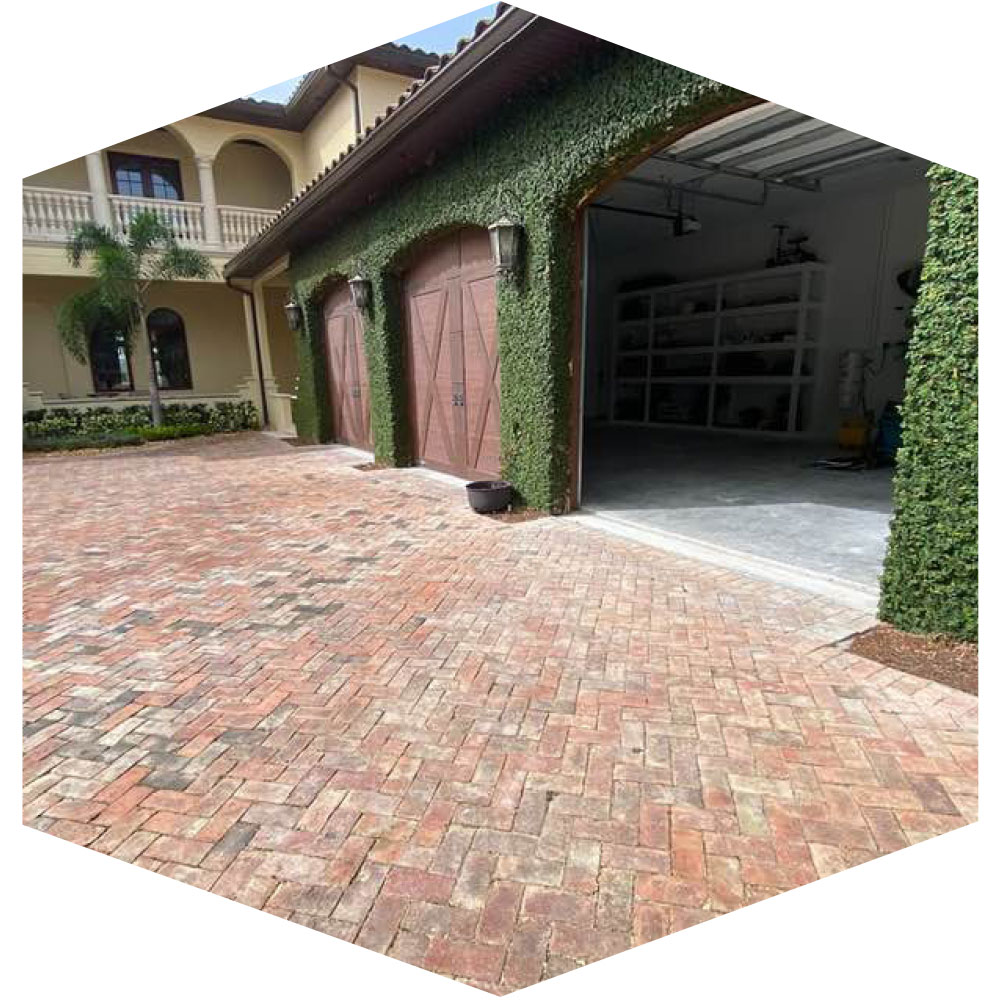
Saint Augustine & St. Johns County, FL
Paver Repairs in St. Augustine
Sinking is not a paver problem. It is a base problem. Sandy North Florida soil and heavy summer rain wash out the bedding underneath, and the pavers follow it down. Re-laying the surface without fixing the base buys you a year.
Free on-site quote · Written price before we start · We aim to reply the same business day
- Veteran OwnedFounded and run by a U.S. veteran
- Licensed & InsuredInsured for the work we carry out
- Free EstimatesOn-site, written, no obligation
- Owner-OperatedPreston is hands-on, not a call center
Why pavers sink here
Our soil is sand. Water moves through it fast, and it carries the fine bedding material with it. Add a downspout discharging onto a driveway, an irrigation leak, or fifteen years of summer storms, and the bedding layer under a section thins out until the pavers drop.
The common fix — lifting the pavers and dropping them back on fresh sand — treats the symptom. If the cause is still there, the same dip returns. We look for the cause first: drainage, edge restraint failure, or root intrusion.
- Cause diagnosed before anything is lifted
- Base excavated, re-graded and properly compacted
- Drainage issues identified and flagged
- Edge restraint checked and replaced where it has failed
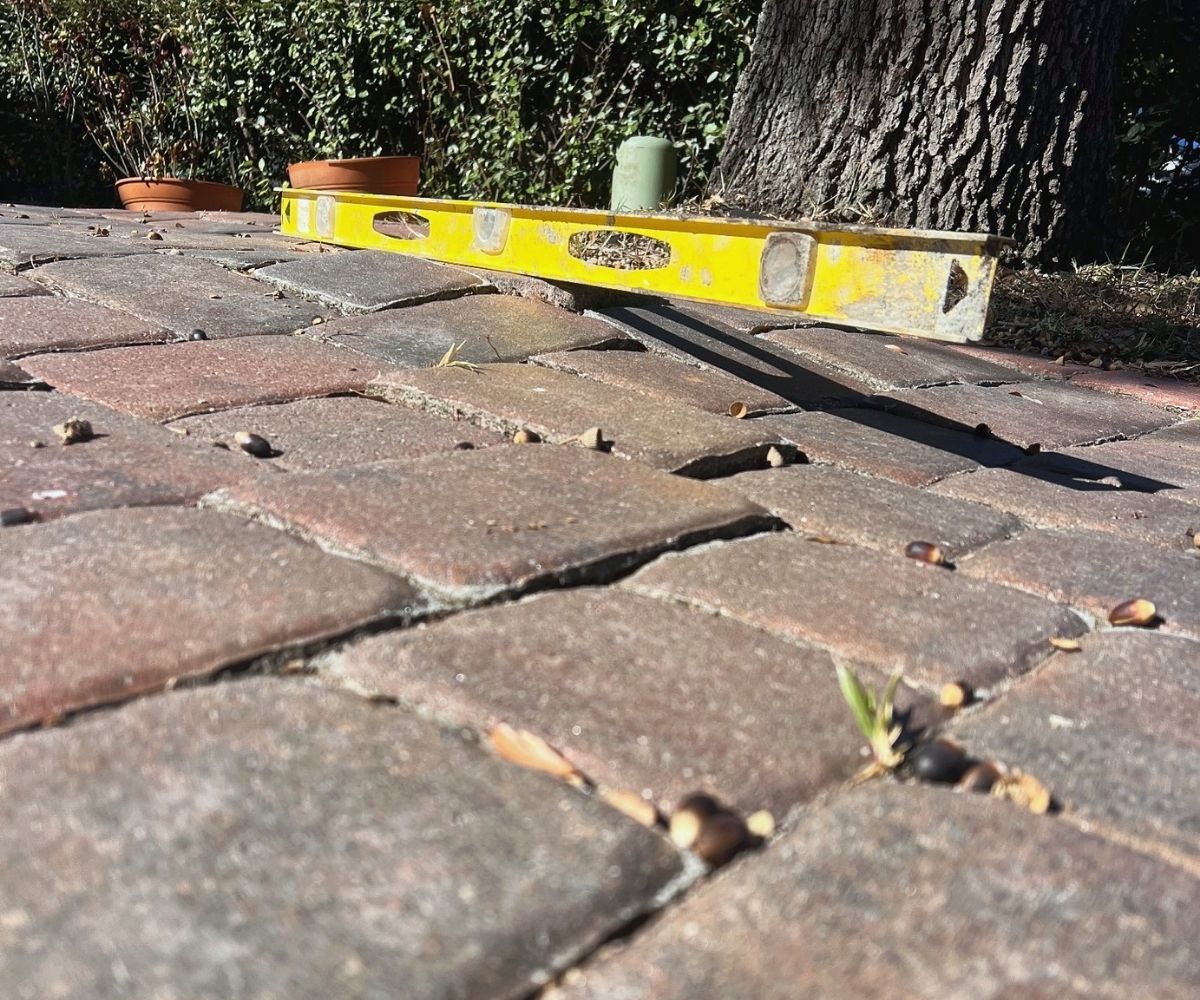
Common complaint
Separated, Unlevel & Wobbly Pavers
Sinking is not the only way a paver surface fails. Joints widen and pavers drift apart when the base has shifted or when polymeric sand has washed out and never been replaced — once that sand is gone, nothing is locking the field together and individual pavers start to migrate.
A wobbly or rocking paver almost always means the bedding sand directly underneath has hollowed out, often from ants, erosion, or a paver that was never properly seated. It will keep rocking and grinding against its neighbors until the bedding is rebuilt, not just re-sanded on top.
- Widened or separated joints re-set and re-sanded
- Wobbly and rocking pavers lifted to rebuild the bedding underneath
- Unlevel sections re-graded so the field sits flush and consistent
- Root cause identified so the movement does not return
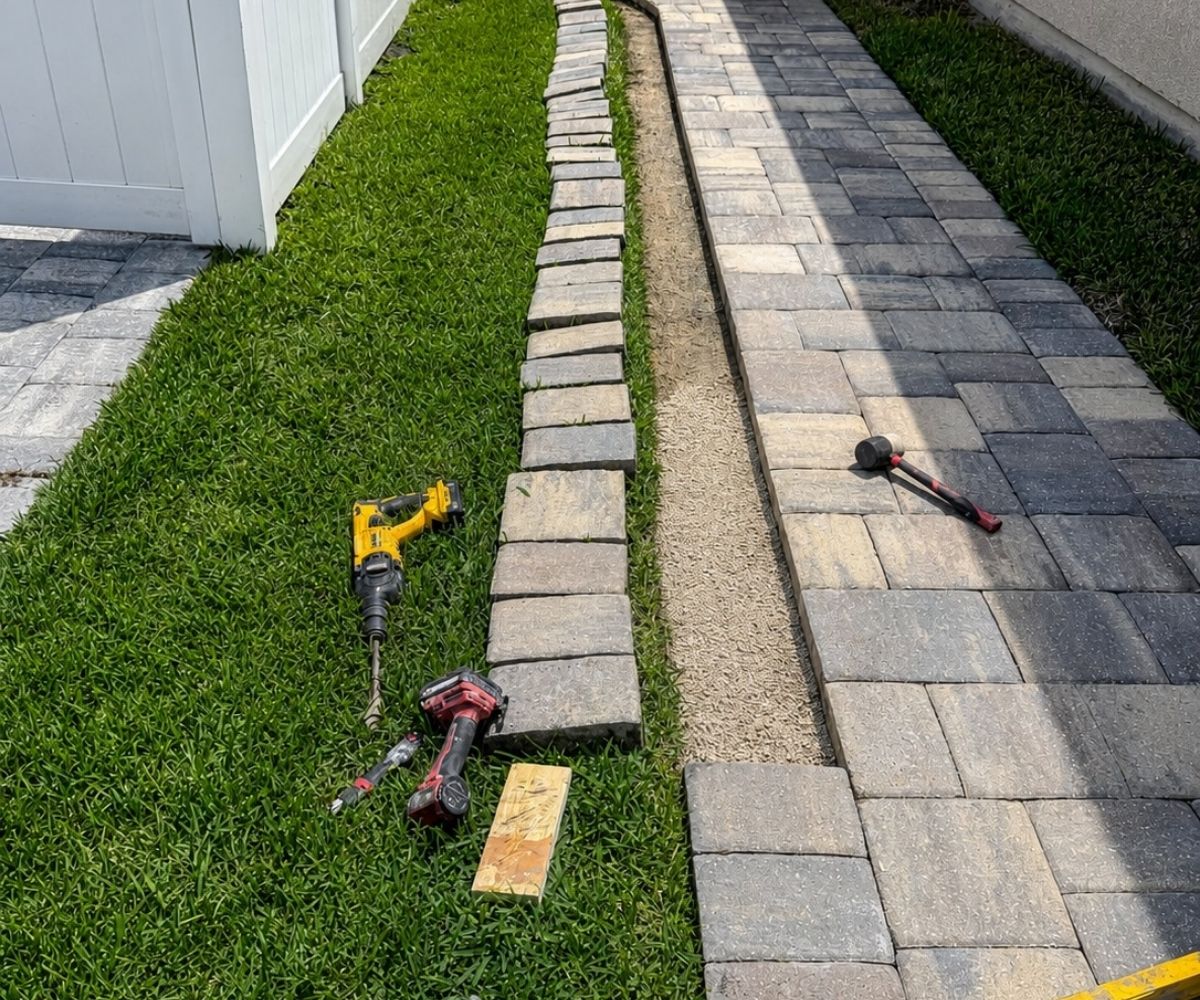
Matching replacement pavers
Matching is the part most companies get wrong. A twelve-year-old paver in Ponte Vedra has faded, weathered and picked up patina. A brand new one of the same model sits in the field like a patch.
We source as close as we can, and where an exact match is not available we relocate original pavers from a low-visibility area — behind a shed, under a planter, along a hidden edge — and put the new pavers there instead. The visible field stays consistent.
- Cracked, chipped and spalling pavers replaced
- Color and texture matched to the existing installation
- Original pavers relocated from hidden areas where an exact match is unavailable
- Pool coping and step treads re-set
Root cause
Safety and structural work
Lifted edges and settled sections around a pool are a genuine trip hazard, and around a driveway apron they will eventually crack the pavers themselves as vehicles load an unsupported edge.
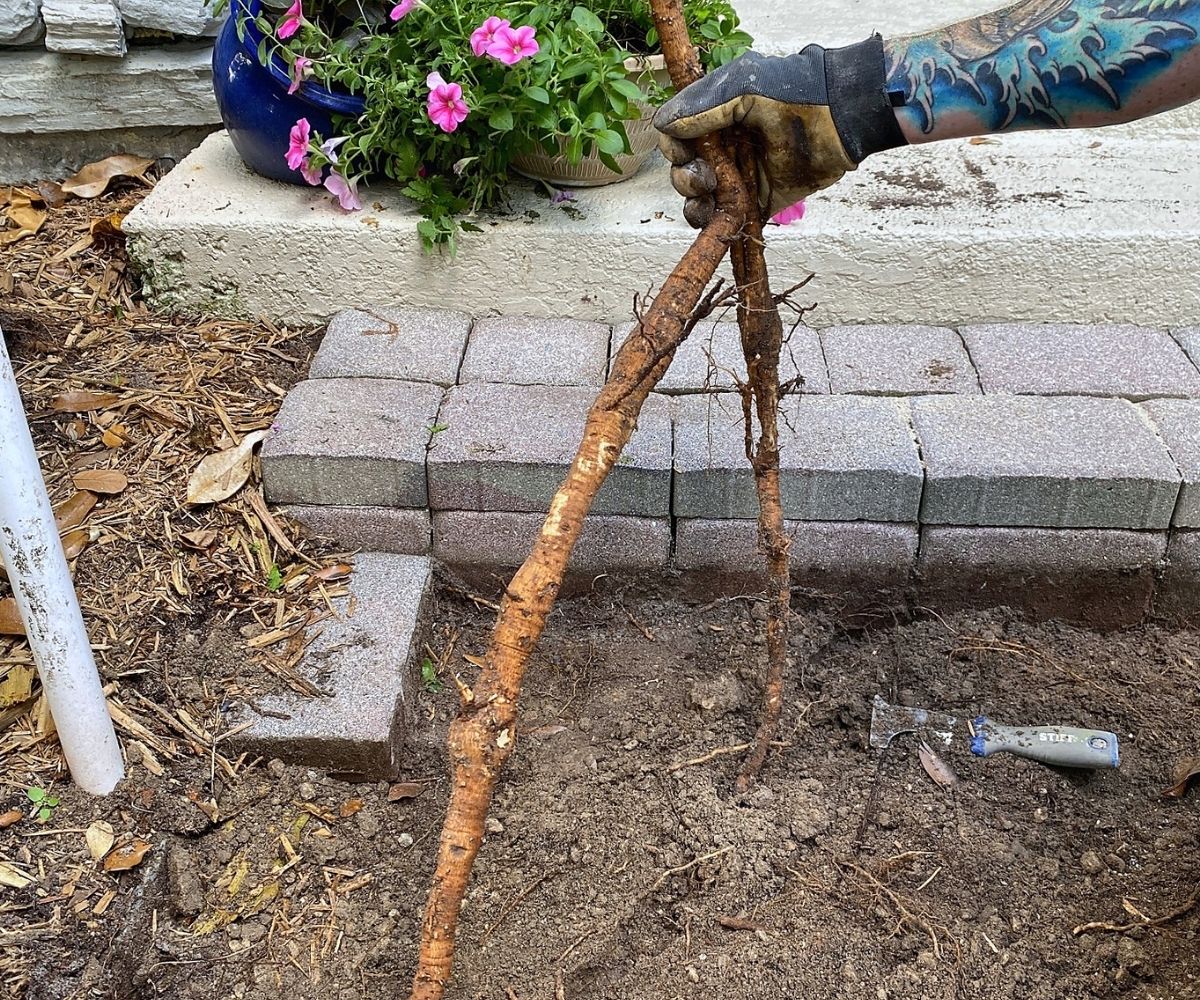
Tree roots are a common and often-overlooked cause. A root growing under the base pushes pavers up unevenly, and cutting the visible edge off does nothing — the root is still there under the surface, still growing. We excavate, remove the root properly, and rebuild the base so the problem does not just resurface a season later.
- Trip hazards and lifted edges corrected
- Settled driveway aprons re-based to carry vehicle load
- Root intrusion excavated and removed, not just trimmed at the surface
- Repair-only pricing available if that is all you need
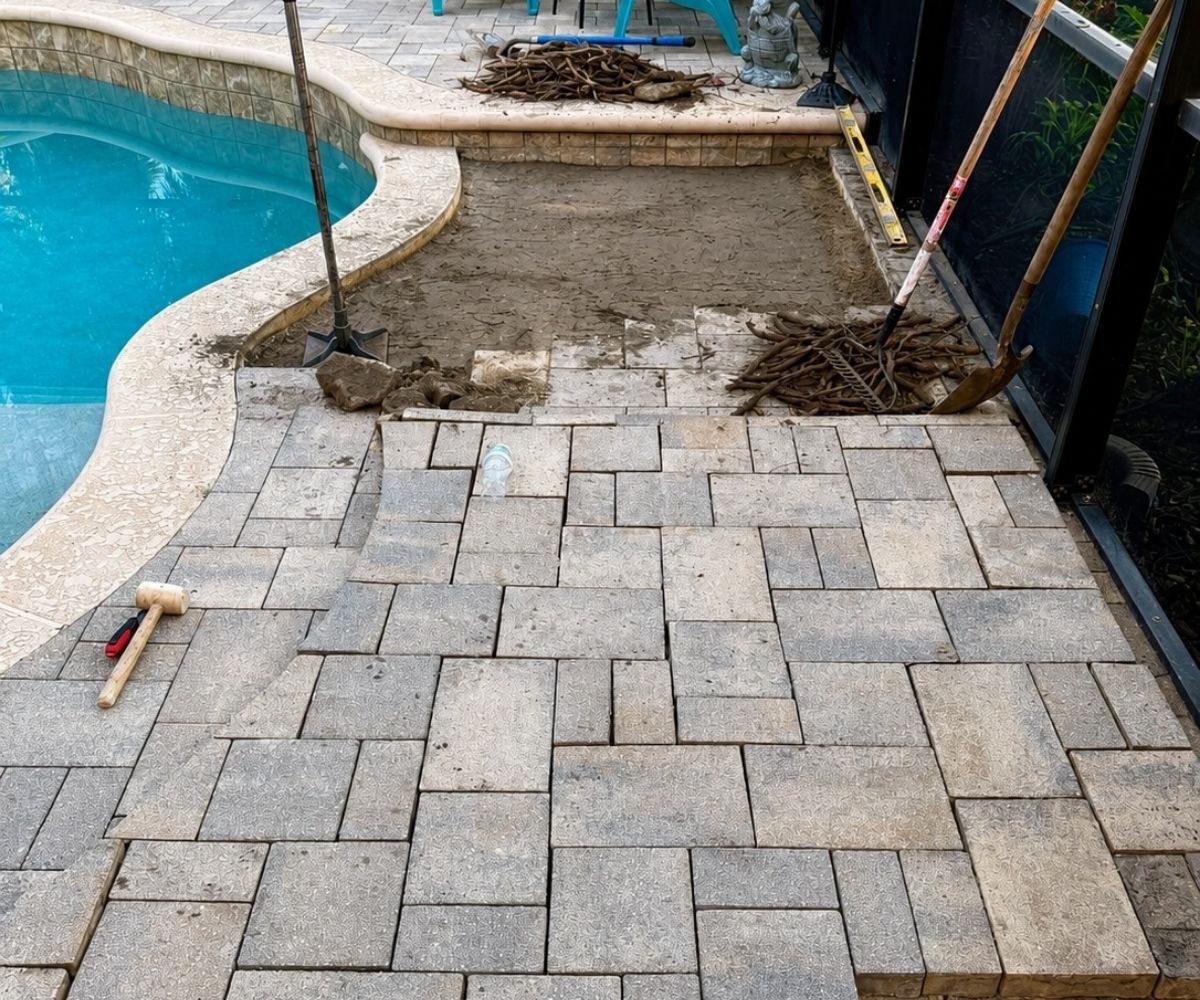
Last step
Finishing the Repair
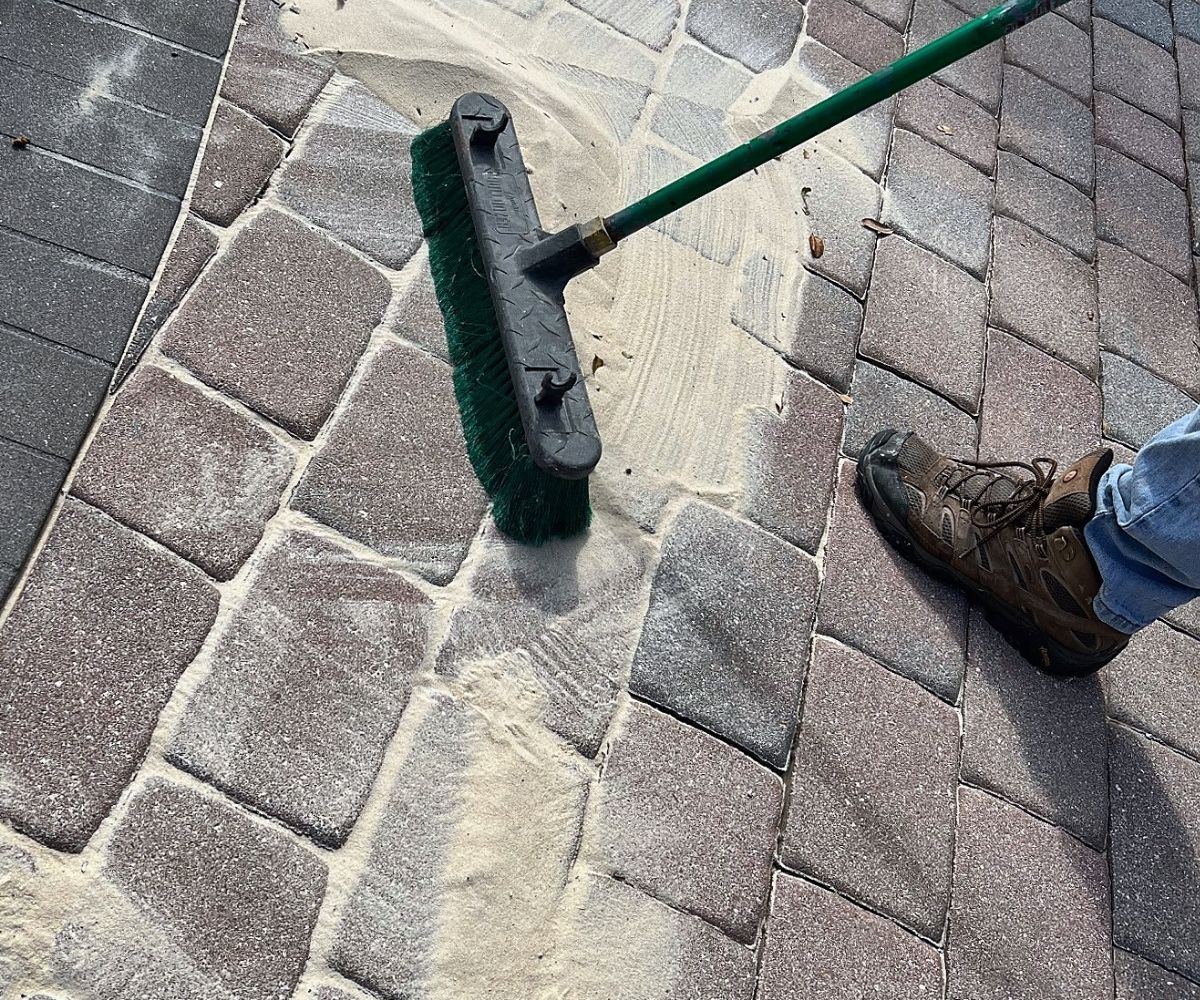
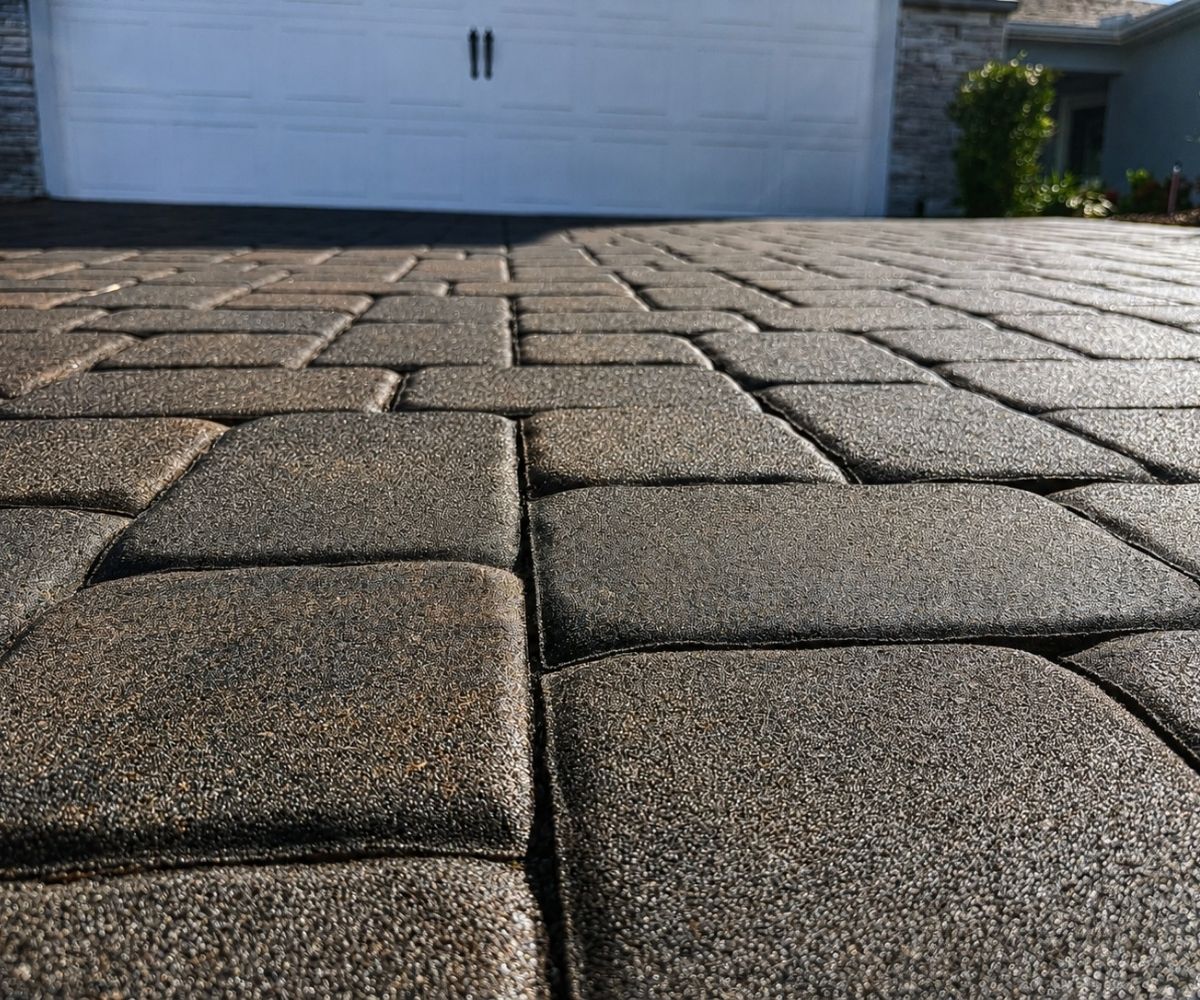
A repair is not done when the pavers are back down. Joints get swept with polymeric sand to lock everything in place and keep weeds and ants out, and if the surface was sealed before, we reseal the repaired area so it blends in rather than sitting there as an obvious patch.
- Polymeric sand swept into joints and activated
- Repaired sections resealed to match surrounding surface
- Surface cleaned and inspected before we call it done
Got a sunken section or a trip hazard?
Free on-site estimate, written price before any work starts.
Questions
Paver Repairs FAQs
Why do my pavers keep sinking in the same spot?
Because the cause has not been fixed. It is almost always the base rather than the pavers — washed-out bedding sand from drainage, an irrigation leak, or a downspout discharging onto the surface. Lifting and re-laying without re-compacting the base and addressing the water source means the same dip comes back.
Can you match my existing pavers?
In most cases yes. Where an exact match is not available, we relocate original pavers from a hidden area — behind a shed, under a planter — and place the new ones there instead, so the visible field stays consistent. Weathered pavers rarely match new stock of the same model.
A tree root is lifting my pavers. Can that be fixed?
Yes. We excavate around the root rather than just trimming what shows at the surface — a root cut at the paver line will keep growing underneath and lift the same section again. Once it is fully removed, we rebuild and compact the base before resetting the pavers.
Why are my pavers wobbly or rocking when I step on them?
The bedding sand directly underneath has hollowed out — usually from erosion, ant activity, or a paver that was never fully seated. Topping off the joint sand does not fix this; the paver has to be lifted, the bedding rebuilt, and the paver reset so it sits solid again.
My pavers are drifting apart and the gaps keep getting wider. What causes that?
Usually lost polymeric sand. That sand locks the field together, and once it has washed out or eroded and was never replaced, nothing is holding neighboring pavers to each other and they gradually separate under normal foot and vehicle traffic. We re-set the joints and sweep in fresh polymeric sand as part of the repair.
Do I need repairs before sealing?
If anything is sunken, lifted or missing, yes. Sealing locks the surface as it currently sits, so any defect gets preserved rather than fixed. Repairs come before joint sand and sealing in every full restoration we do.
How long do paver repairs take?
Most residential repairs are completed the same day, often alongside cleaning and sealing. Larger re-basing jobs, root removal, or significant drainage work can run into a second day.
Is it cheaper to repair or replace?
Repair, in the large majority of cases, and usually by a wide margin. Concrete and clay pavers are extremely durable. We only recommend replacement when pavers are cracked through or spalling badly across the whole field.
Service area
Serving St. Johns County
Based in Saint Augustine, we travel to you across the county and beyond — no travel charge within our core St. Johns County service area.
- Saint Augustine
- St. Augustine Beach
- Ponte Vedra
- Ponte Vedra Beach
- Nocatee
- World Golf Village
- Fruit Cove
- Jacksonville
- Palm Coast
Free estimate
Get a written price
Call, text a photo, or send the form. You'll get Preston or his wife — not a call center.
PD Home Pros Saint Augustine, FL 32084(904) 560-5262
Mon–Fri, 8:00am – 5:00pm